
Cross-Stitch Embroidery: Common Patterns Explained
Explore the most iconic Lithuanian embroidery designs and learn step-by-step how to stitch them

Understanding Lithuanian Cross-Stitch Traditions
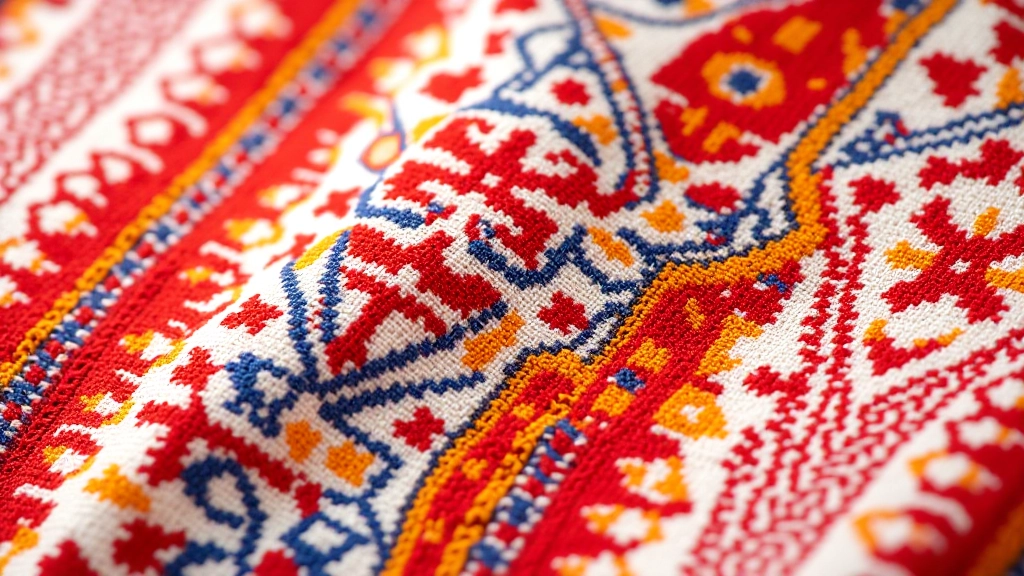
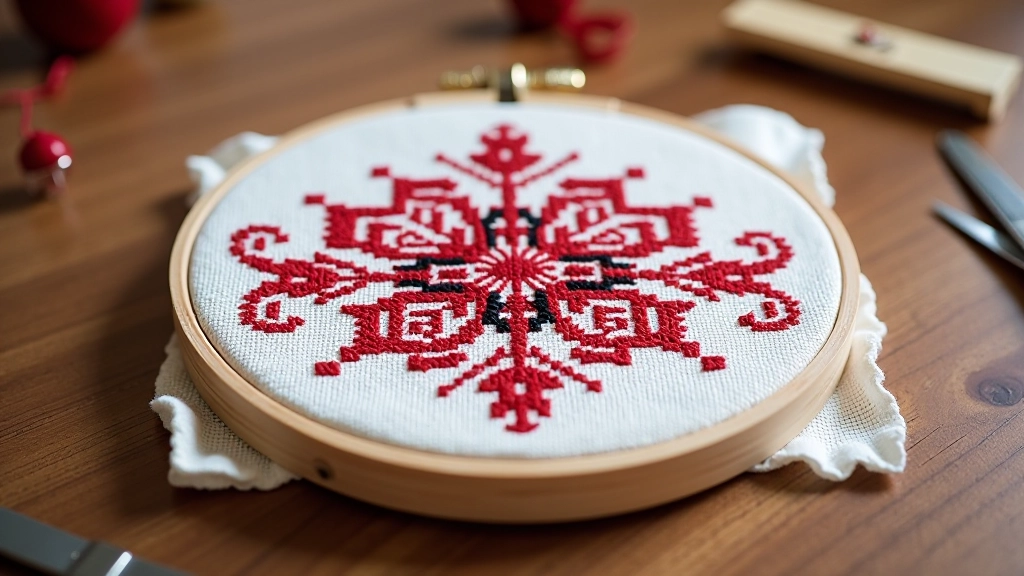
Cross-stitch embroidery isn't just about making pretty patterns. It's a way of preserving stories. Every design you'll encounter in Lithuanian folk textiles carries meaning — whether it's protection symbols, blessings for the home, or celebrations of the seasons. We're going to walk through the most common patterns you'll see, what they mean, and exactly how to stitch them.
The beauty of these traditional patterns is that they're actually quite approachable once you understand the basics. Most use the same fundamental cross-stitch technique, just arranged in different ways. You'll start recognizing the repeating motifs and soon you'll be creating your own variations.
The Foundation: The Diamond Pattern
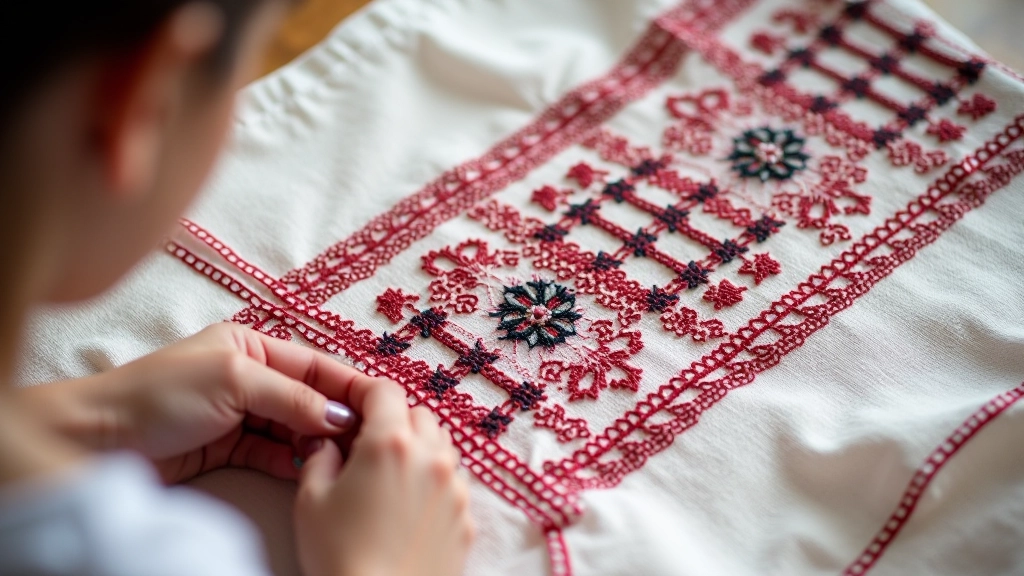
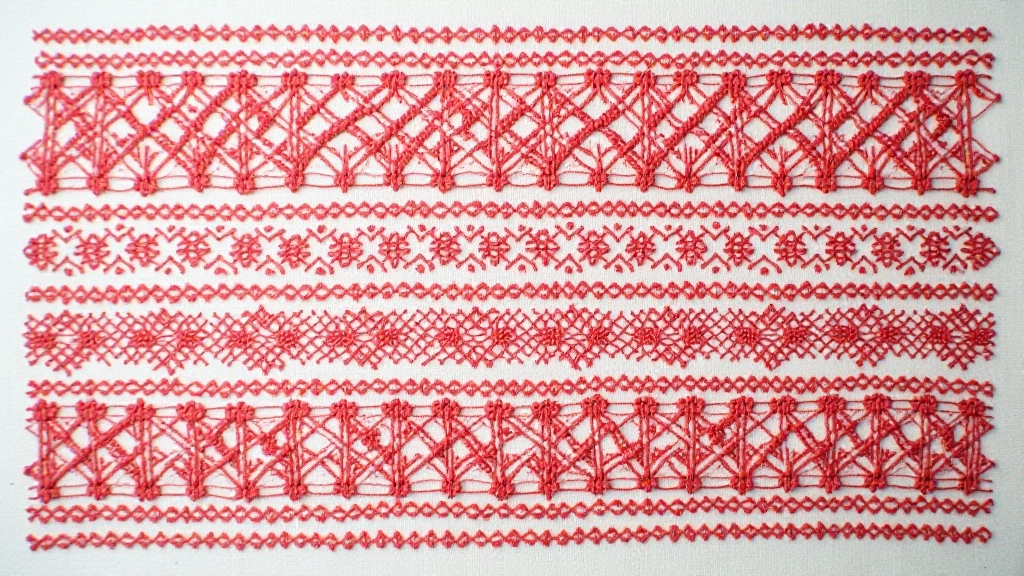
You'll see diamond shapes everywhere in Lithuanian embroidery. They're the foundation that other patterns build from. A basic diamond is created with just 8-12 stitches arranged in a square rotation. What makes them special isn't the complexity — it's how you repeat them and the colors you choose.
Start with a 6-strand embroidery floss in your chosen color. Work diagonally from corner to corner, then fill the center. The key thing is tension — keep it consistent so your diamonds look even. Most embroiderers work diamonds about 1/4 inch wide, which takes roughly 15-20 minutes per diamond once you get the rhythm down.
1
Mark your grid lightly with pencil
2
Work diagonal lines in one direction first
3
Cross them with stitches in the opposite direction
4
Fill center with solid color for definition
Geometric Combinations: Stars and Triangles
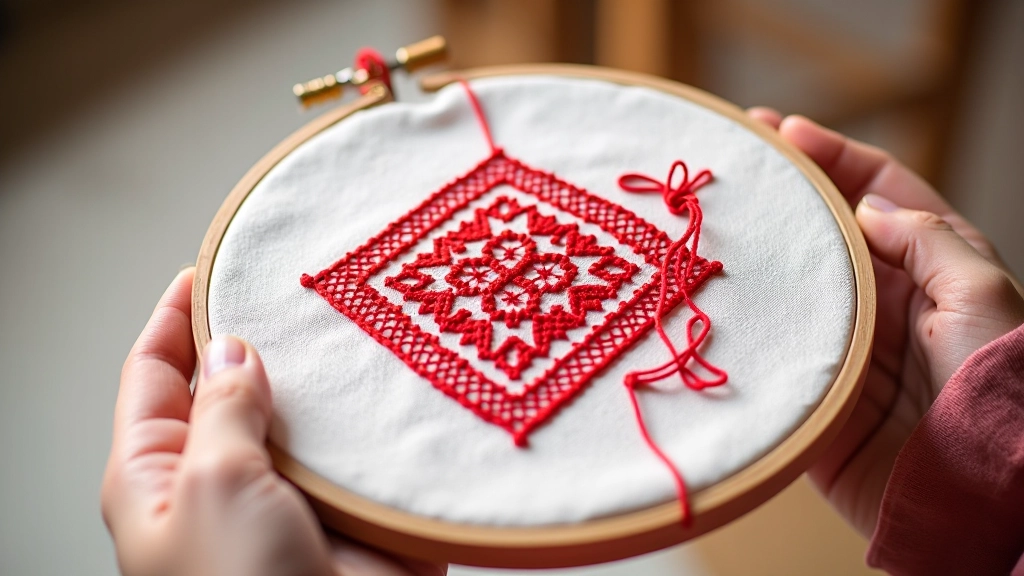
Once you're comfortable with diamonds, you'll want to learn how to combine them. Stars are actually just four diamonds meeting at a center point. Triangles are half-diamonds. These aren't new stitches — you're just arranging the ones you already know differently.
The magic happens when you mix colors. A red diamond with a white triangle next to it creates visual movement. A lot of embroiderers use contrasting colors deliberately — dark thread on light fabric, or vice versa. You'll find many traditional patterns use just 2-3 colors maximum, which keeps them striking rather than busy.
A typical star pattern takes about 45 minutes to complete and uses roughly 8-10 feet of thread. Don't rush. The patterns that look the best aren't made quickly — they're made carefully.
About Traditional Pattern Interpretation
The patterns described here represent common interpretations of traditional Lithuanian folk designs. Regional variations exist, and different communities have developed their own unique takes on these motifs. If you're working with specific family patterns or regional traditions, we recommend consulting with local textile historians or experienced embroiderers from that area. This guide is meant as an educational introduction to help you understand the techniques and principles behind these beautiful traditions.
Symbolic Patterns: Protection and Blessings
Some patterns have meanings beyond their visual appeal. The cross itself represents protection. Eight-pointed stars were believed to bring good luck. Wavy lines represent water and life. When you're stitching these patterns, you're participating in traditions that stretch back centuries.
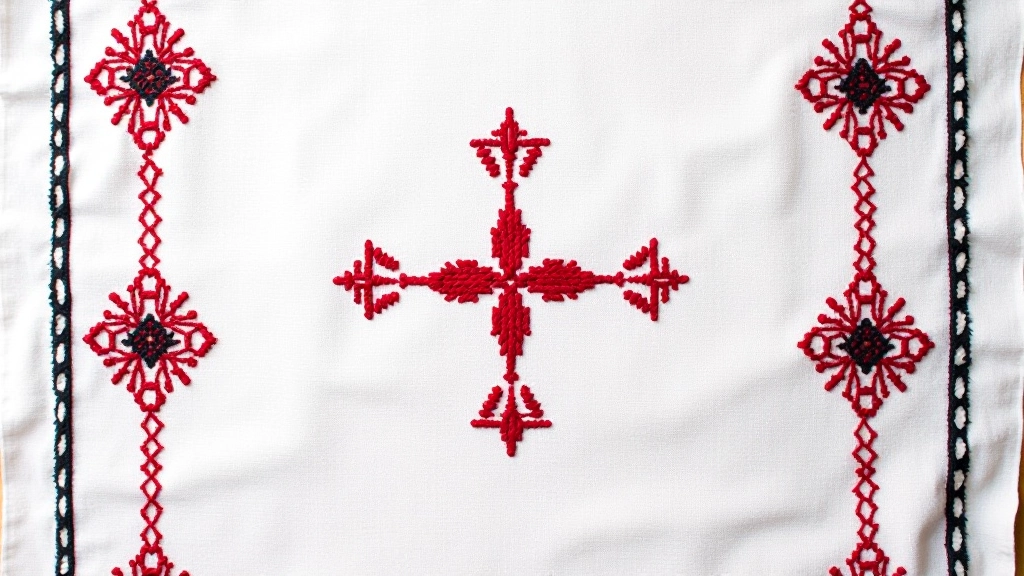
A common protection pattern combines a central cross with four corner diamonds. It's called a "blessing square" in some regions. You'll see variations of this on everything from tablecloths to traditional clothing. The pattern typically measures 2-3 inches square and takes 2-3 hours to complete depending on detail level.
What's interesting is how flexible these patterns are. You can work them at different scales. A small blessing square might use 2-strand thread on fine linen. A larger version uses 6-strand on regular linen. The technique stays the same — only the materials change.
Your Embroidery Journey Starts Here
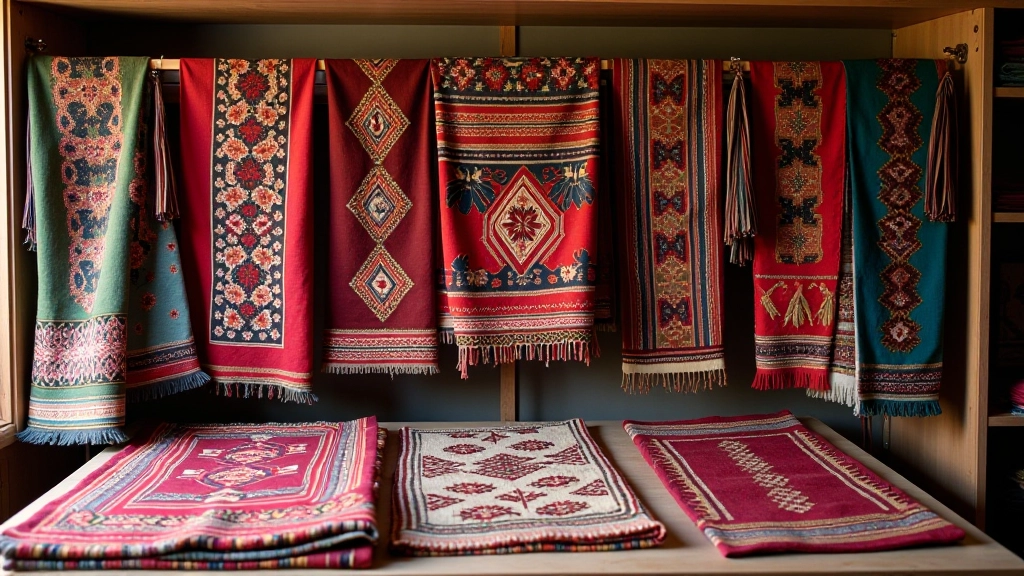
The patterns we've covered today are just the beginning. Diamonds, stars, geometric combinations, and symbolic designs form the vocabulary of Lithuanian cross-stitch tradition. Once you understand these foundational patterns, you'll recognize them everywhere — in historical textiles, in family heirlooms, and in contemporary work from artisans carrying these traditions forward.
Start simple. Pick one pattern that speaks to you. Spend time on it. Feel the rhythm of the stitches. The traditional embroiderers didn't rush their work, and neither should you. You'll be surprised how meditative the process becomes once you settle into it. Each stitch connects you to generations of people who've done exactly what you're doing now.
Want to learn more about these traditions? Our workshops in Kaunas offer hands-on instruction in all these techniques, with experienced embroiderers who'll guide you through each step. You'll work on real projects, handle authentic materials, and become part of a community keeping these beautiful traditions alive.