
Natural Dyes: Traditional Methods Still Used Today
Discover how Lithuanian artisans create authentic colors using plants, berries, and roots. Simple methods you can try at home with common materials.

Why Natural Dyes Matter
We've been dyeing fabric with plants for thousands of years. Before synthetic dyes arrived in the 1850s, every color came from nature — berries, leaves, roots, bark, insects. It's not just history. Today, artisans across Lithuania are returning to these methods because they work, they're sustainable, and they create colors you can't replicate any other way.
The thing is, natural dyeing isn't complicated. You don't need expensive equipment or rare ingredients. Most dyes grow in fields, forests, or kitchen gardens. You'll need hot water, fabric, patience, and a basic understanding of how plants release their color. That's genuinely it.
The Basic Process
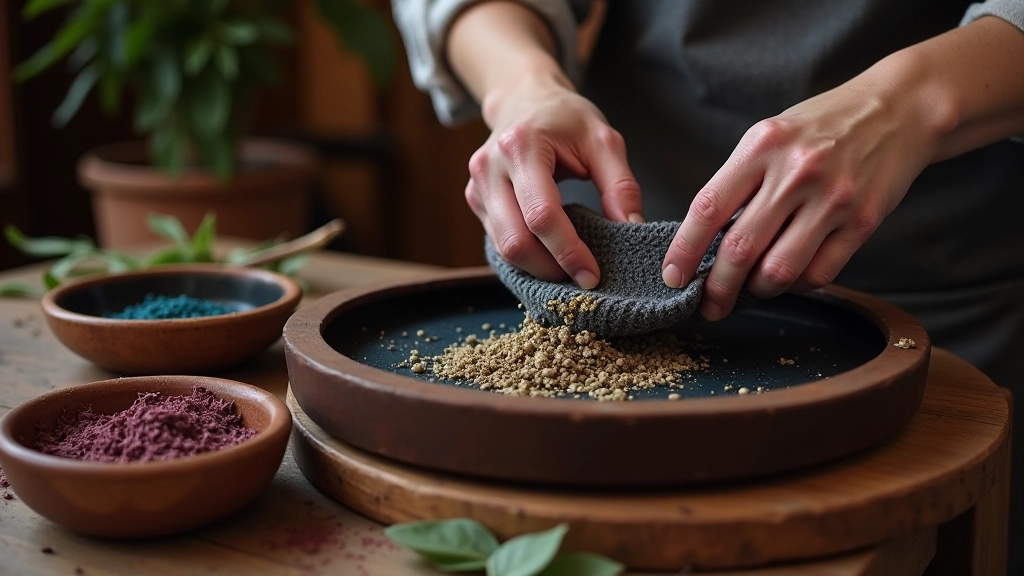
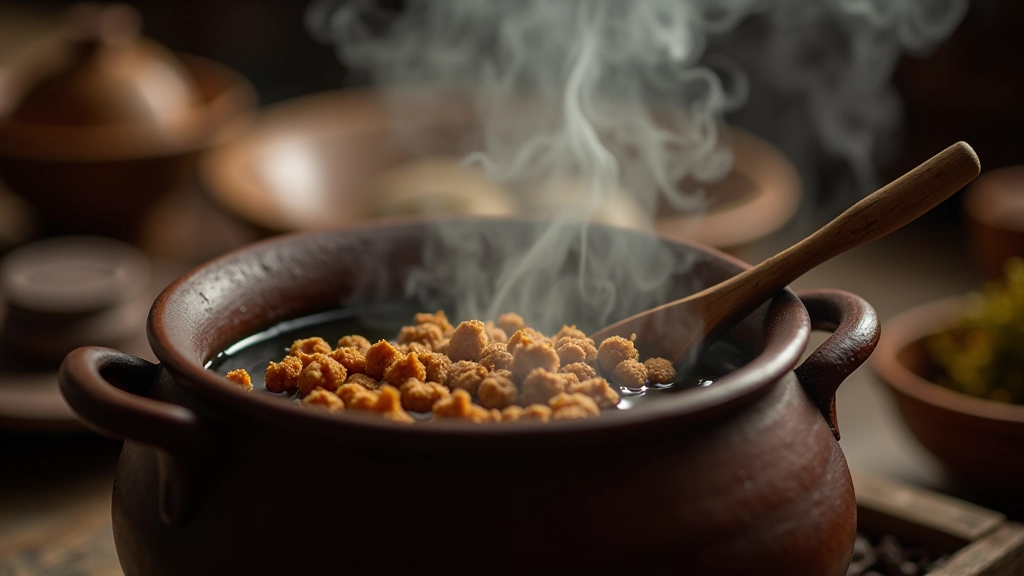
Here's how it works. You collect your plant material — fresh or dried doesn't matter much. You soak it in hot water for anywhere from 30 minutes to several hours. The longer it sits, the stronger your dye bath becomes. Strain out the solids and you've got colored water.
Then comes the important part: prepare your fabric. Most natural dyes work better on protein fibers like wool or silk. If you're using plant fibers like linen or cotton, you'll need a mordant — a chemical that helps the dye stick. Alum is the most common. You simmer your pre-mordanted fabric in the dye bath, keeping it below boiling point. Too much heat damages the fibers. After 45 minutes to an hour, you've got dyed fabric.
The color isn't instant. It develops over several hours or even days as the dye oxidizes. You'll notice the shade shifts slightly each time you look at it. That's part of the magic.
Common Plant Dyes and What They Produce
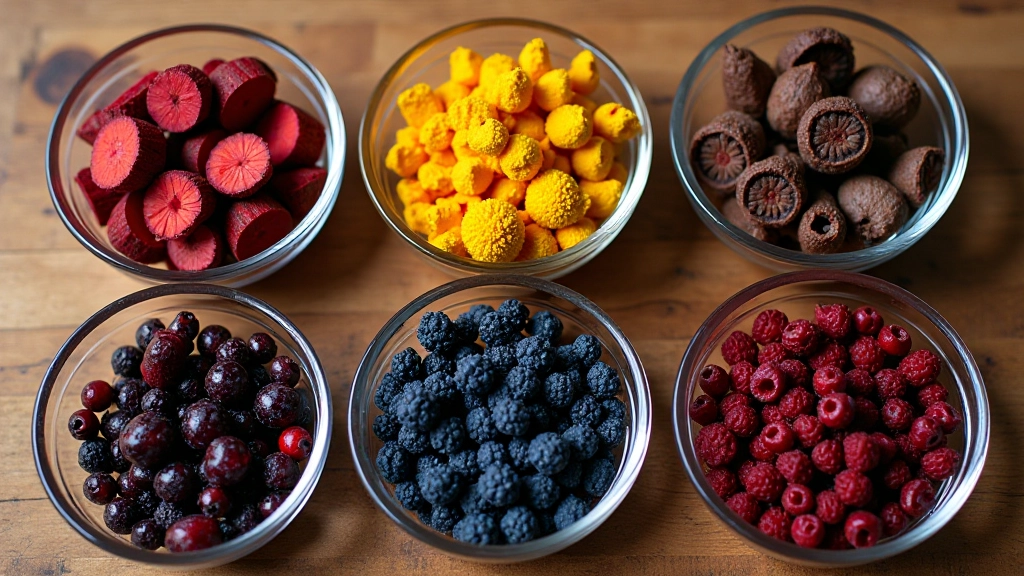
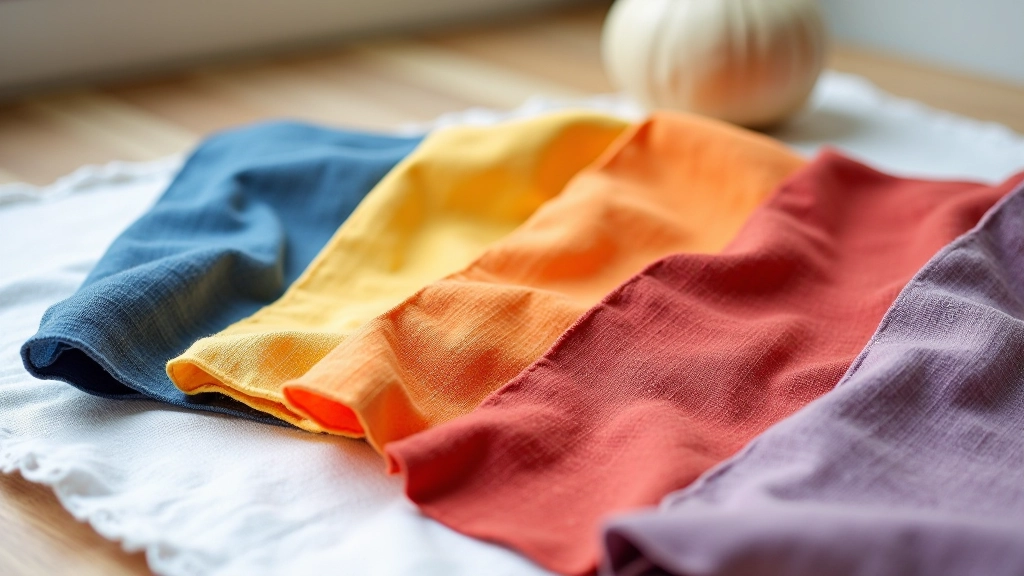
Different plants give you different colors. It's predictable enough once you understand the basics.
Madder Root
The gold standard for reds and oranges. You need mature roots — at least 3 years old — and they take time. Simmer for hours. But you'll get reds that are permanent and beautiful.
Weld
Produces bright yellows. Quick to work with — 30 minutes in the dye bath and you've got solid color. Grows like a weed in temperate climates.
Indigo
The only vat dye in this list. Doesn't dissolve in water the normal way. You need to ferment it with lye or another alkali. But indigo blues are legendary for their depth and permanence.
Cochineal
Dried insects that produce intense purples and reds. Expensive but incredibly strong — a tiny amount goes a long way.
A Note on Safety and Sourcing
Natural dyeing involves hot water and sometimes chemical mordants like alum. Always wear protective gloves when handling hot dye baths and work in well-ventilated spaces. Some plant materials — particularly madder root — can cause skin irritation if you're sensitive. If you're pregnant or have respiratory conditions, be extra careful with indigo fermentation, which releases ammonia fumes. This information is educational. Test everything on small fabric samples before committing to large projects. Results vary based on water quality, fabric type, and plant variety. Consult experienced dyers in your community for guidance on specific techniques.
Traditional Techniques Still Used
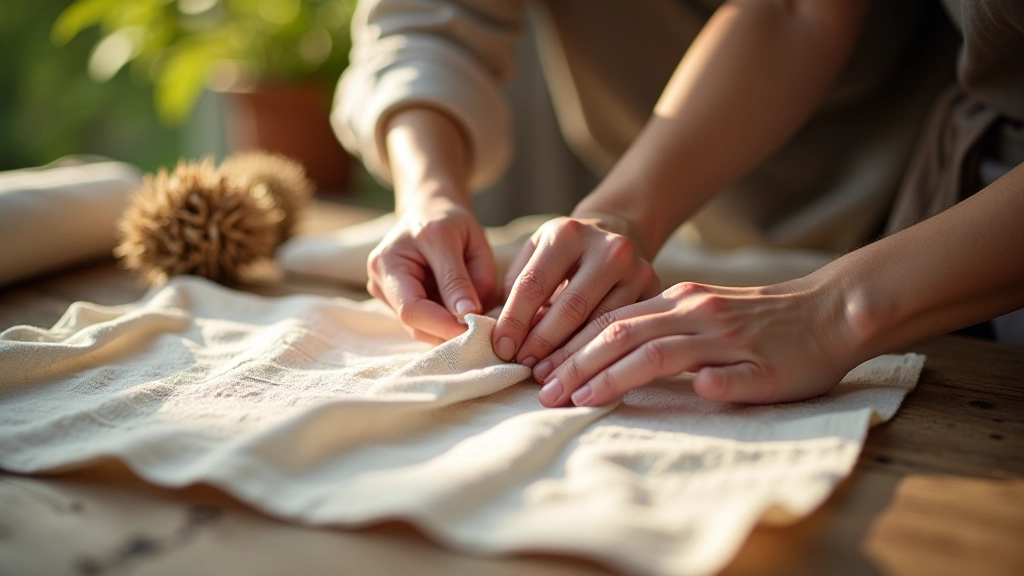
Lithuanian weavers haven't abandoned the old methods. They've refined them. Bundle dyeing is one you'll see everywhere. You tie or bundle plant material directly onto your fabric, then dye it. Where the plants touch the cloth, they leave patterns — often unpredictable, always interesting. Ferns create ghost leaf prints. Flower petals leave soft impressions.
Resist dyeing works differently. You tie, fold, or clamp the fabric before it goes into the dye bath. The parts that don't reach the dye stay light. Combine this with multiple dye baths and you've got complex patterns that look intricate but really aren't that difficult to achieve.
Most importantly? You don't need special training to start. You need curiosity, time, and patience. The plants do most of the work.
Start Your Own Dye Garden
Natural dyeing isn't a lost art. It's alive in Lithuania and growing elsewhere too. You don't need to become an expert to try it. Start small. Grow some weld or madder in a corner of your garden. Collect leaves and berries. One afternoon, fill a pot with water and plant material. See what color you get. That's how it begins.
The colors you create won't be perfectly uniform. They'll shift with the seasons and the source plants. That's not a flaw — it's character. It's proof that something alive made your fabric beautiful.